The Trump administration has approved six more states to impose restrictions on the use of Supplemental Nutrition Assistance Program (SNAP) benefits to purchase sugary sodas and other foods classified as unhealthy, Agriculture Secretary Brooke Rollins announced Wednesday.
The newly approved states—Hawaii, Missouri, North Dakota, South Carolina, Virginia, and Tennessee—join 12 others that have already received federal waivers to implement these restrictions starting in 2026. States previously granted waivers include Arkansas, Colorado, Florida, Idaho, Indiana, Iowa, Louisiana, Nebraska, Oklahoma, Texas, Utah, and West Virginia.
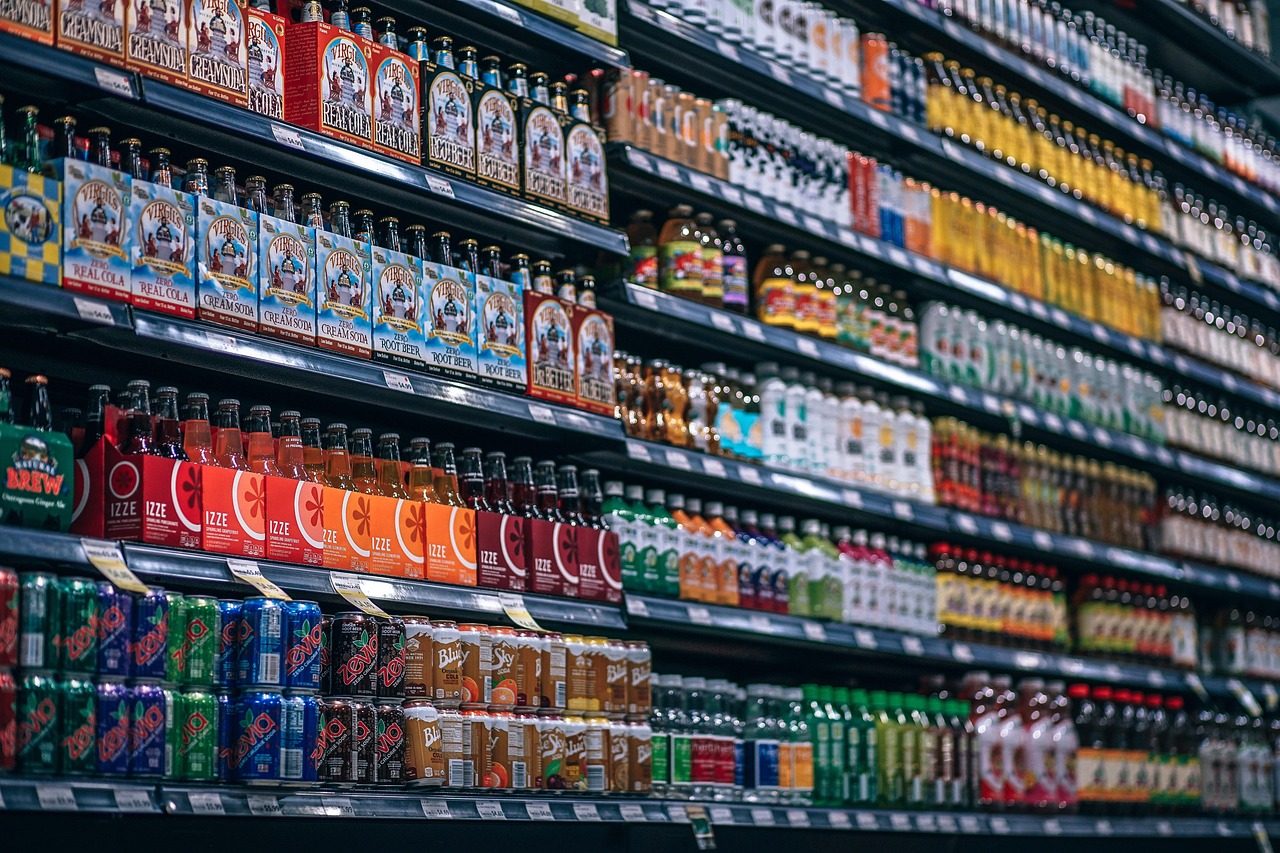
Each of the 18 states will be permitted to define unhealthy food items based on their own criteria. For example, Arkansas will prohibit the use of SNAP benefits to purchase sodas, candy, and beverages containing less than 50% natural juice. Florida’s list includes soda, energy drinks, candy, and prepared desserts.
The restrictions are part of the Trump administration’s “Make America Healthy Again” (MAHA) initiative, which aims to reduce chronic health conditions and encourage better nutrition among low-income Americans. “We all know we’re at the point where we must do something to correct the chronic health problems that Americans face,” Rollins said during a press conference.
Rollins added in a press release, “President Trump has made it clear: we are restoring SNAP to its true purpose – nutrition. Under the MAHA initiative, we are taking bold, historic steps to reverse the chronic diseases epidemic that has taken root in this country for far too long.”
The waivers are initially valid for two years, with an option to extend them an additional three years, according to the National Grocers Association.
The U.S. Department of Agriculture has identified approximately 6,500 food deserts between 2000 and 2006. More recent estimates report that around 23.5 million Americans live in low-income areas located more than one mile from the nearest large grocery store, with roughly 11.5 million of those individuals having low incomes.
These changes come amid increased grocery prices. According to data firm Datasembly, grocery costs for the average American have risen nearly 30% over the last six years.
The administration maintains that controlling how SNAP benefits are used is necessary to reduce future health care costs and encourage healthier dietary habits across the country.