Congress’s National Defense Authorization Act (NDAA) for 2026 would authorize $900.6 billion in discretionary defense funding, about $8 billion more than the Pentagon proposed earlier this year. Lawmakers released the final version of the bill Sunday night.
The agreement includes $162 billion for procurement, $146 billion for research and development, $291 billion for operations and maintenance, and $234 billion for military personnel and health spending.
Major Weapons Programs
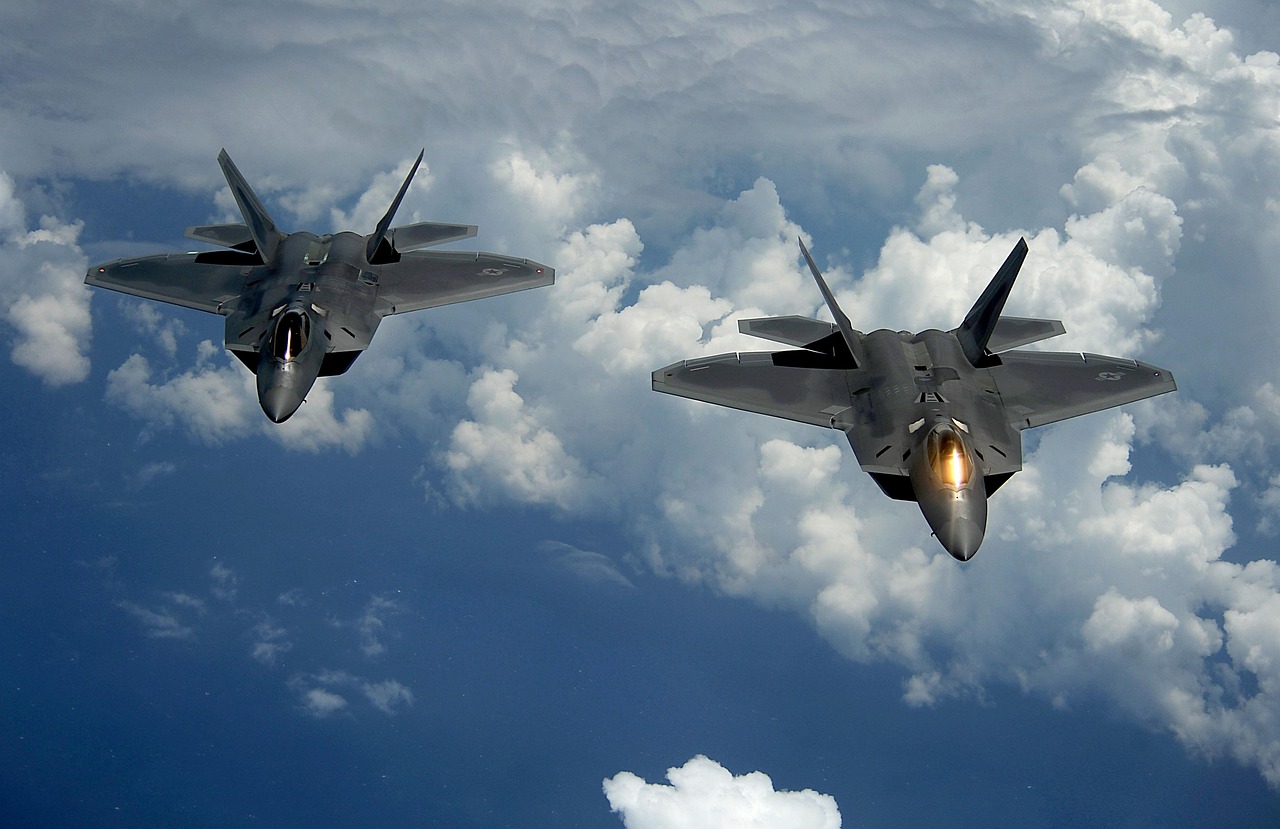
The bill advances several Trump administration priorities, including the Golden Dome missile defense system, the Air Force’s F-47 next-generation fighter, the Navy’s F/A-XX program, the B-21 Raider stealth bomber, collaborative combat aircraft, submarines, and warships.
It does not authorize the administration’s preferred renaming of the Department of Defense to the “War Department.” Any such change requires congressional approval.
In total, the NDAA includes more than $38 billion to develop, procure, or modernize aircraft across the services.
The act authorizes $26 billion for shipbuilding, covering the third Columbia-class ballistic missile submarine, one Virginia-class submarine, advanced procurement for future submarines and DDG-51 Arleigh Burke destroyers, continued funding for the Ford-class aircraft carrier program, an anti-submarine warfare auxiliary ship, and two ship-to-shore connectors.
More than $25 billion is allocated to replenish critical munitions, including precision strike and air-to-ground missiles, Naval Strike Missiles, Javelins, Stingers, Sidewinders, Tomahawks, GMLRS rockets, AMRAAMs, artillery rounds, and JDAMs.
The NDAA authorizes the Pentagon to buy 47 F-35s in FY26, matching the department’s request and reflecting a significant reduction from earlier expectations. The military purchased 74 F-35s in 2025.
The Air Force plans to buy 24 F-35As in 2026, down from 44 the previous year, as the Pentagon prioritizes sustainment, supply-chain stability, and keeping the long-delayed Block 4 upgrades on track.
The bill requires the services to maintain a 90-day supply of spare F-35 parts by September 2028. It also mandates annual Government Accountability Office evaluations of the F-35 program and directs the Pentagon to develop a plan for integrating open mission systems architecture.
Program Protection and Aircraft Retirements
Congress preserves the Air Force’s E-7 Wedgetail acquisition after the Pentagon sought to end the program. The bill prohibits canceling Boeing’s rapid prototype contract or closing existing production lines.
The Air Force must keep at least 103 A-10 Warthogs in service through September 2026 and submit a plan by March outlining how it will retire the remaining aircraft before fiscal 2029.
Lawmakers provide nearly $2.6 billion for the F-47 program and require a detailed report by March 2027 covering requirements, costs, schedules, basing considerations, and integration of Guard and Reserve units.
Pay Raise and Family Benefits
Service members will receive a 3.8% pay raise beginning Jan. 1, consistent with the Trump administration’s budget request. An E-4 with four years of service would see an increase of roughly $134 per month.
The bill raises the family separation allowance from $250 to $300 per month and authorizes increases up to $400. This is paid to service members who are separated from their families for 30 days or more. Congress approved a bump in separation pay in the 2024 defense authorization bill, but the department never implemented the increase.
Parental leave may now be taken at any time within two years after a birth or adoption of a child, addressing challenges for service members who could not use their full leave under the previous 12-month deadline.
Housing improvements and other quality-of-life initiatives are also included.
A bipartisan proposal to expand access to in vitro fertilization (IVF) for troops and spouses was removed during final negotiations. Current law restricts DOD-funded IVF to service-connected infertility.
Gender-Related Provisions
The NDAA contains language prohibiting transgender athletes from participating on women’s sports teams at U.S. service academies, aligning with a January 20 executive order. The bill reinstates Women’s Initiative Teams across each service to study recruitment, retention, and advancement barriers.
Training Safety and Blast Exposure
To reduce risk of head injuries during training, the bill also establishes ten blast safety officer positions responsible for evaluating overpressure risks, enforcing safe-distance rules, managing protective equipment, and overseeing the use of blast-exposure sensors.
These measures build on recent Defense Department efforts to address the long-term effects of blast exposure.