Hawaiʻi’s shortage of patient-care physicians worsened in 2025, according to a report from the University of Hawaiʻi’s John A. Burns School of Medicine. Although the state had 12,688 licensed physicians, fewer than one-third—3,647—were actively providing care. Adjusting for part-time work, that number fell to just over 3,000 full-time physicians, a slight decrease from 2024 and 644 short of projected need.
Factoring in the challenges posed by geographic distribution, the effective shortage grows to 833 physicians. Health care specialties that require physical presence, such as emergency and intensive care, cannot be easily transferred between islands, the report noted.
“If you don’t have the provider you need, you are going to have medical problems,” said Dr. Kelley Withy, who leads the physician workforce study. “It doesn’t matter if we all have insurance. We can’t get care.”
Hawaiʻi County had the largest shortage in 2025, needing 224 physicians to meet demand—an increase from 201 in 2024. That represents a 43% increase in needed physician supply on the Big Island, nearly double the state’s overall average.
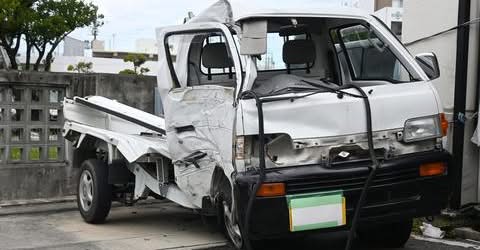
In December, the county lost a longtime emergency physician, Dr. Judith Fitzgerald, who died in a Christmas Eve car crash caused by an alleged drunk driver.
Maui had a shortfall of 179 doctors, driven largely by damage from the 2023 wildfires, which destroyed several medical facilities that have not been rebuilt. To meet demand, the physician workforce on Maui would need to grow by 41%.
The county reported the highest shortage in primary care, lacking 45 doctors. The report said the number of primary care providers would need to grow by 35% to meet demand, compared with 14% on the Big Island, which was short 21 primary care physicians.
Longer wait times, increased travel for care, and higher costs are among the consequences of the shortage, especially for residents of rural and neighbor island communities, said Summer Mochida-Meek, executive director of the Hawaiʻi State Rural Health Association. “Patients who need more care often have to travel to Oʻahu,” she said, noting that insurance coverage does not always include transportation and lodging costs.
The shortage has also led to increased use of emergency rooms, she added. “We’re going from preventive care to crisis care.”
Contributing factors include Hawaiʻi’s high cost of living and relatively low physician salaries compared with the mainland, the report said. “They have to be able to buy a house. If they can’t, they’re not going to stay,” Withy said.
The aging population is increasing demand for care, while many physicians are approaching retirement. Nearly one-quarter of physicians in Hawaiʻi are 65 or older. In 2025, more than 88 doctors left the state, while at least 81 retired. Mochida-Meek said newer physicians often try to establish practices in Hawaiʻi but leave within a few years due to housing and childcare costs.
The report said Hawaiʻi needs to add 100 physicians annually beyond replacements to meet future demand. It outlined several strategies already being implemented, including loan repayment programs for providers who commit to working in the state. That initiative has helped repay the debts of 928 health professionals. A discounted mortgage program for physicians has also been introduced, and efforts to raise Medicare reimbursement rates are ongoing.
In a physician survey, higher pay was the top recommendation for improving Hawaiʻi’s physician workforce, followed by housing support and incentives for healthy patient behaviors.
On Dec. 29, Hawaiʻi received $189 million in federal Rural Health Transformation Program funds. The money, part of a national $50 billion package, is intended to address Medicaid cuts in rural areas. The state plans to use the funds to expand telehealth, digital connectivity for rural clinics, and recruitment and retention of health care workers.