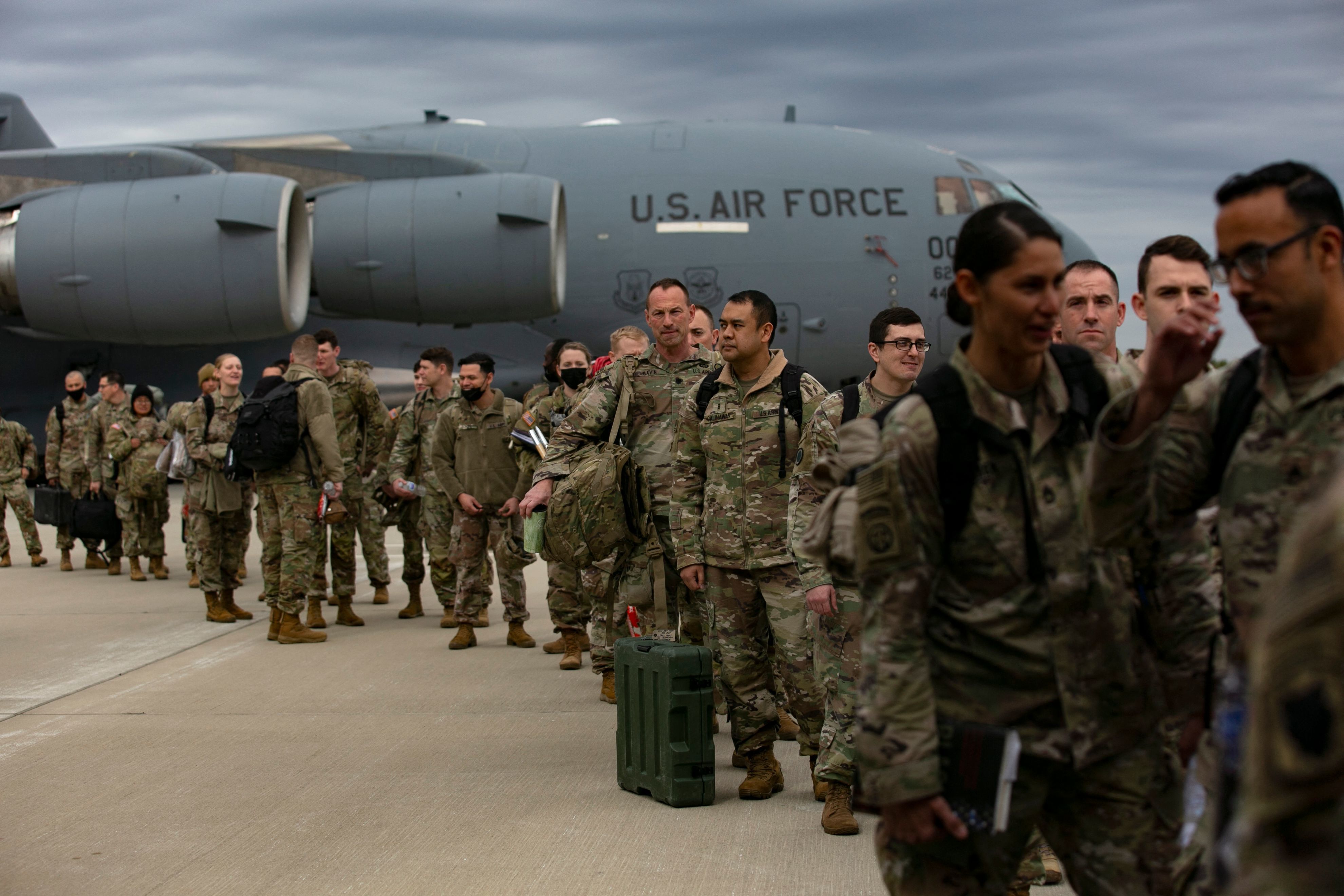
A noticeable uptick in U.S. military aircraft movements to Europe over the past 36 hours has drawn attention from open-source monitors and aviation spotters. While U.S. aircraft regularly transit through the continent, the volume and origin of recent flights—particularly from Fort Campbell, Kentucky—have prompted speculation of a possible special operations mission.
At least 10 C-17 Globemaster III cargo planes departed for Europe on January 3, with at least four launching from Fort Campbell. That base houses the 160th Special Operations Aviation Regiment (Airborne), known as the Night Stalkers, which carries out specialized missions worldwide. There are unconfirmed reports that several MH-47 Chinooks and MH-60M Black Hawks linked to that unit were delivered and spotted at RAF Fairford, but no visual proof has emerged.
The 160th did not respond to requests for comment. The U.K. Ministry of Defence also declined to address any speculation, stating, “We do not comment on the operational activity of other nations, including use of U.K. bases.”
Separately, at least two AC-130J Ghostrider gunships landed at RAF Mildenhall on Sunday, according to an aviation spotter. A CASA CN-235 reconnaissance aircraft also arrived at RAF Fairford. U.S. Air Force Special Operations Command, which operates the aircraft, declined to comment.
A spokesperson for U.S. European Command said in a Monday email: “U.S. European Command routinely hosts transient U.S. military aircraft (and personnel) in accordance with access, basing, and overflight agreements with Allies and partners. Taking into account operational security for U.S. assets and personnel, further details are not releasable at this time.”
Some observers have linked the aircraft movements to the Russian-flagged oil tanker Marinera, formerly known as Bella-1. According to CBS News, the U.S. may attempt to intercept the vessel, now in the North Atlantic. The Coast Guard previously attempted to board the ship on December 20, but was refused access by the crew.
U.S. aircraft have previously supported tanker seizures. In a recent operation, personnel fast-roped from helicopters to board the M/V Skipper, a tanker under international sanctions. CBS News has reported that Venezuelan officials discussed arming tankers and disguising military personnel as civilians for defense purposes.
Online trackers have logged U.S. Navy P-8 Poseidon patrol aircraft and Irish Air Corps C-295W planes operating near the Marinera’s location, further highlighting international interest in the vessel’s movements. The Marinera is carrying Venezuelan oil and is affiliated with a fleet that the U.S. says helps Russia, Iran, and Venezuela evade sanctions.
Other explanations for the aircraft surge include the multinational exercise Steadfast Dart 2026, which began January 2. However, given that the exercise was pre-planned, the short-notice departures from Fort Campbell may indicate unrelated deployments.
The 160th SOAR also noted a recruitment event in Germany beginning January 6. It is unclear whether any deployed aircraft are supporting that effort.
Some have speculated that military assets may be positioning for potential activity in the Middle East, possibly related to tensions with Iran. Similar aircraft movements occurred preceding Operation Midnight Hammer, a U.S. operation in June involving strikes on Iranian nuclear facilities. U.S. cargo traffic to the Middle East is frequent and may also be routine.
The Night Stalkers regularly support global training, exercises, and operational missions. Their increased visibility follows their involvement in Operation Absolute Resolve, which included the seizure of Venezuelan leader Nicolás Maduro and his wife.
U.S. authorities have not publicly confirmed the purpose behind the latest deployments.