DUBAI, United Arab Emirates (AP) — Iran’s parliament speaker warned Sunday that U.S. military forces and Israel would be considered legitimate targets if the United States attacks Iran in response to ongoing protests in the country.
Speaker Mohammad Bagher Qalibaf made the statement during a televised parliamentary session. His comments came as nationwide protests continued into a third week in Tehran and Mashhad, which activists say have resulted in at least 116 deaths and more than 2,600 detentions, according to the U.S.-based Human Rights Activists News Agency.
Internet restrictions and communication blackouts have made it difficult to independently verify the extent of the protests and the government’s response. Activists outside Iran expressed concern that the information blackout could shield a harsher crackdown from international scrutiny.
President Donald Trump expressed support for the demonstrators on social media and warned that the U.S. is prepared to act, stating: “Iran is looking at FREEDOM, perhaps like never before. The USA stands ready to help!!!”
The New York Times and Wall Street Journal reported Saturday night, citing unnamed U.S. officials, that Trump had been presented with military options for a possible strike on Iran but had not made a decision. The U.S. State Department also issued a warning, stating: “Do not play games with President Trump. When he says he’ll do something, he means it.”
During the session broadcast on Iranian state TV, Qalibaf praised security forces, including the paramilitary Basij, for their response to the unrest. He said Iran would not wait to be attacked before responding and explicitly referenced U.S. bases and ships in the region, as well as Israel, as potential targets.
“In the event of an attack on Iran, both the occupied territory and all American military centers, bases and ships in the region will be our legitimate targets,” Qalibaf said. He added, “We do not consider ourselves limited to reacting after the action and will act based on any objective signs of a threat.”
Parliamentarians chanted “Death to America” following the speech.
It remains unclear whether Iran intends to launch a military strike. The decision would ultimately lie with Supreme Leader Ayatollah Ali Khamenei, 86. Iran’s air defenses sustained significant damage in a 12-day war with Israel in June.
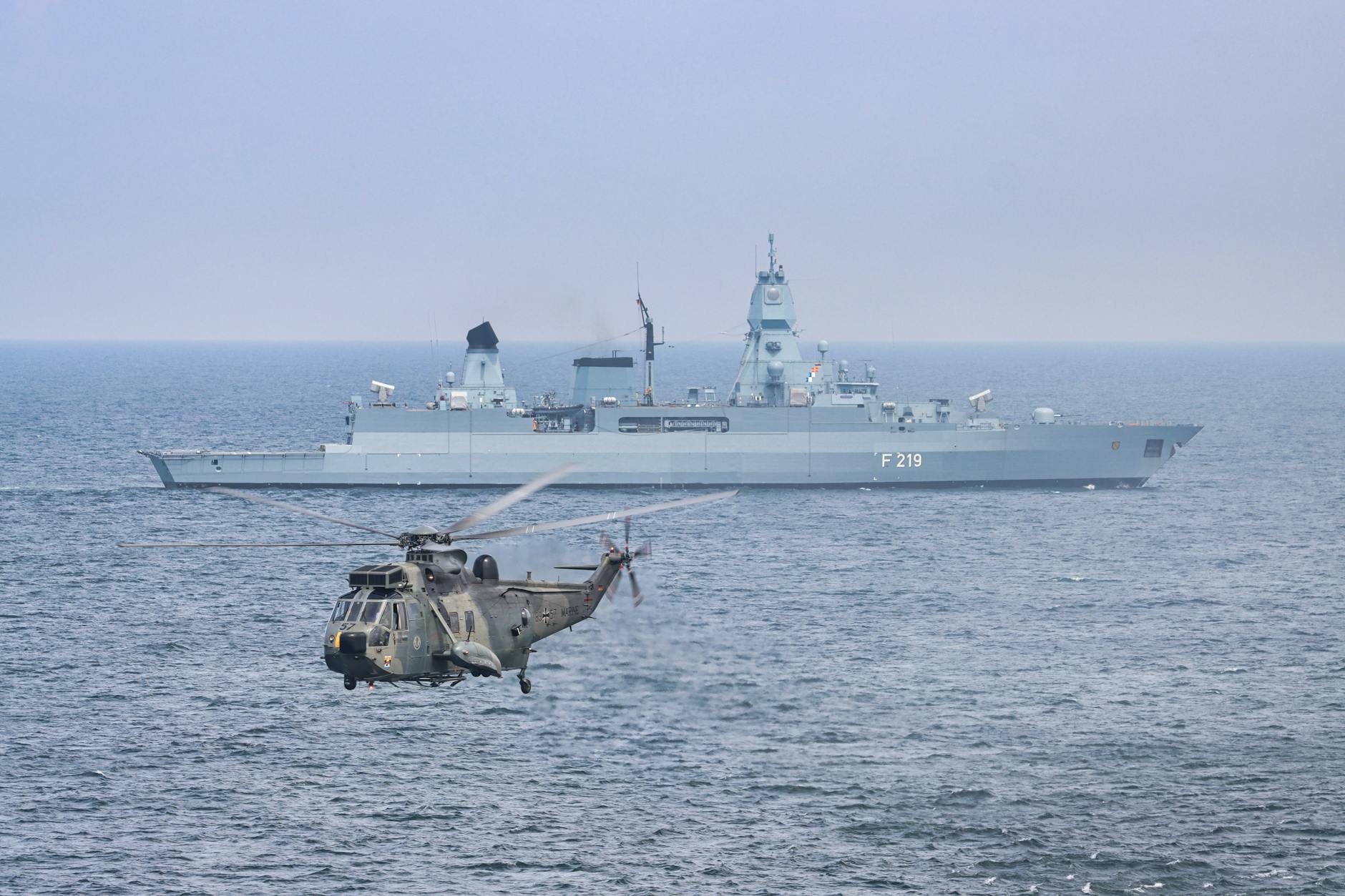
The U.S. military stated its forces in the Middle East are positioned to defend American personnel, allies, and interests. Iran reportedly targeted U.S. forces at Al Udeid Air Base in Qatar in June. The U.S. Navy’s 5th Fleet remains headquartered in Bahrain.
An unnamed Israeli official said Israel is closely monitoring the situation. The official said Prime Minister Benjamin Netanyahu discussed Iran with U.S. Secretary of State Marco Rubio late Saturday.
Online videos appearing to originate from Tehran’s Punak neighborhood showed apparent demonstrations, with protesters waving lit mobile phones amid street blockades. Other footage showed demonstrators marching and honking car horns.
The Human Rights Activists News Agency described the protests in Tehran as scattered and brief, shaped by a heavy security presence and aerial surveillance.
In Mashhad, footage purportedly showed clashes between protesters and security forces, with fires and barricades in the streets. Protests were also reported in Kerman.
Iranian state television showed correspondents in various cities presenting calm scenes. Cities such as Tehran and Mashhad were not featured. Government-organized demonstrations were broadcast from Qom and Qazvin.
Ali Larijani, a senior security official, alleged on state TV that some protesters had committed acts similar to those of the Islamic State group. The state network aired funerals for security forces and showed a vehicle loaded with body bags, claiming six additional personnel were killed in Kermanshah.
President Masoud Pezeshkian, viewed as a reformist, appeared on state TV Sunday expressing support for addressing citizens’ concerns but said unrest posed a greater threat. “People have concerns, we should sit with them and if it is our duty, we should resolve their concerns,” he said. “But the higher duty is not to allow a group of rioters to come and destroy the entire society.”
Exiled Crown Prince Reza Pahlavi called on demonstrators to continue protests. His reported ties to Israel have drawn scrutiny, especially after the June conflict. Some protesters have chanted in favor of the former monarchy, though it is unclear whether this reflects direct support for Pahlavi or dissatisfaction with the current system.
The protests began December 28 over the collapse of Iran’s currency, the rial, which trades at more than 1.4 million to $1. Economic conditions have been strained by international sanctions, including those related to Iran’s nuclear program. The demonstrations have since expanded to challenge the country’s governing system.
Associated Press writer Melanie Lidman in Tel Aviv contributed to this report.