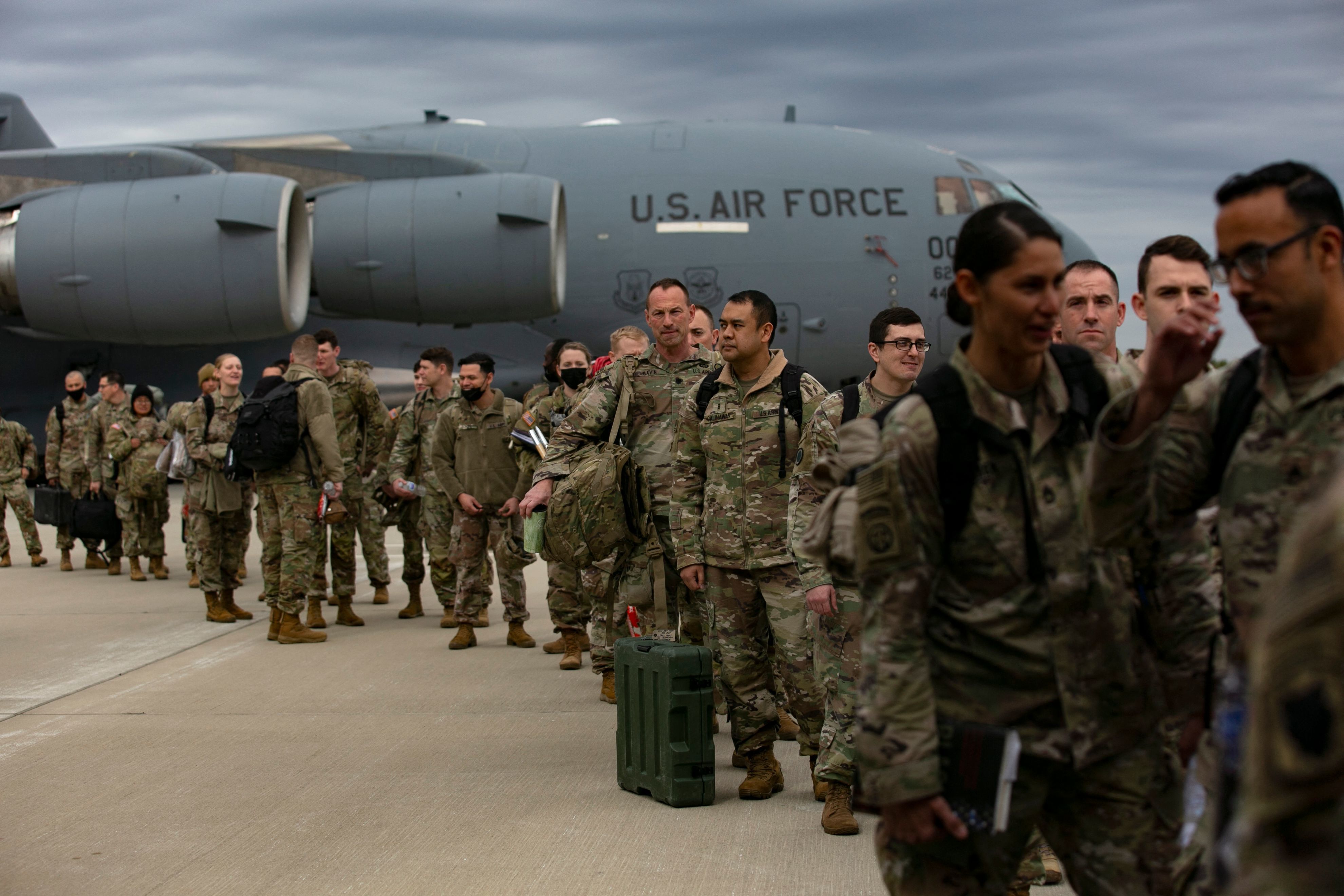
Venezuelan President Nicolas Maduro and his wife, Cilia Flores, are scheduled to be arraigned Monday in New York City federal court on narcoterrorism and drug trafficking charges following a U.S. military operation in Caracas that brought them to U.S. custody.
Maduro and Flores are not expected to appear before cameras during the 12 p.m. Eastern arraignment. U.S. authorities transferred the couple to a Manhattan courthouse from a Brooklyn detention facility over the weekend.
Maduro faces four counts: narcoterrorism conspiracy, cocaine importation conspiracy, possession of machine guns and destructive devices, and conspiracy to possess the same. Flores faces three counts, excluding the narcoterrorism charge.
The charges stem from an indictment unsealed Saturday, which accuses Maduro and Flores of facilitating large-scale cocaine shipments into the U.S., ordering acts of violence related to drug trafficking, and accepting bribes tied to drug operations as early as 2007.
The U.S. government has stated that a months-long operation, including surveillance by the Central Intelligence Agency starting in August, led to their capture. Marine veteran Chad Robichaux said on ‘Fox & Friends First’ that intelligence assets may have been in close proximity to Maduro during the planning stage.
White House officials have referred to the mission as ‘Operation Absolute Resolve.’ President Donald Trump has stated the U.S. will temporarily ‘run’ Venezuela, though Maduro’s domestic allies have disputed that claim and called for dialogue and cooperation.
Secretary of State Marco Rubio defended the operation during an interview with NBC’s Kristen Welker. When asked why Congress was not consulted, Rubio said the operation was not an invasion and did not require advance congressional approval due to its limited scope and high sensitivity.
“We will seek congressional approval for actions that require it,” Rubio said. “Otherwise, they will receive appropriate notification.”
Maduro’s legal team is expected to argue that he is shielded from prosecution by head-of-state immunity, a defense previously raised but rejected in the U.S. case against former Panamanian leader Manuel Noriega in 1990. The U.S. government does not recognize Maduro as Venezuela’s legitimate president, citing the disputed 2024 election.
It was not immediately clear whether Maduro had retained a U.S.-based attorney. Both he and Flores are subject to American sanctions that bar individuals or entities from accepting payments from them without approval from the U.S. Treasury Department.
If convicted, both face potential life sentences.