The International Court of Justice (ICJ) is hearing a case accusing Myanmar of committing genocide during a 2017 military operation that displaced hundreds of thousands of Rohingya.
Myanmar’s Ministry of Foreign Affairs said Wednesday the case, brought by The Gambia, is “flawed and unfounded in fact and law.” The statement, released through state media, said the allegations rely on “biased reports” and “unreliable evidence.”
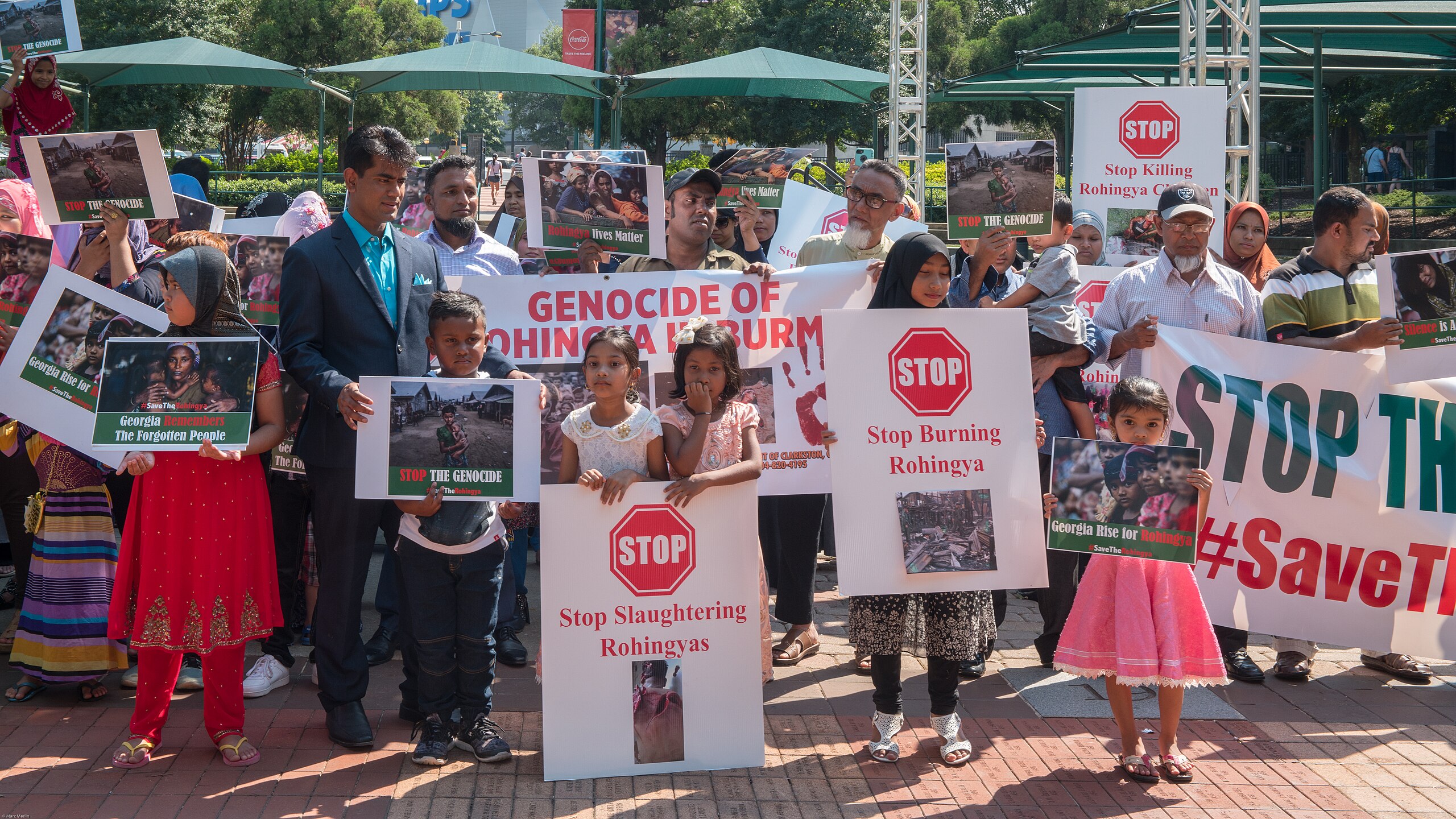
The Gambia filed the case in 2019, citing a military campaign that forced about 750,000 Rohingya to flee Myanmar, most to neighboring Bangladesh. Survivors reported mass killings, rapes, and the destruction of villages. As of today, more than 1.1 million Rohingya live in crowded camps in southeast Bangladesh.
At the opening of the hearings in The Hague on Monday, Gambian Justice Minister Dawda Jallow told the court that the Rohingya had been “targeted for destruction.”
Myanmar, which has been under military rule since a 2021 coup, said it is cooperating “in good faith” with the ICJ proceedings. Lawyers for the government are scheduled to begin presenting their defense on Friday.
This is the ICJ’s first full genocide case in more than 10 years. The hearings will last approximately three weeks. A decision could take months or years. While the court has no means of enforcement, a ruling in favor of The Gambia could increase political pressure on Myanmar.
The UN’s top human rights official in 2017 described Myanmar’s operation as “a textbook example of ethnic cleansing.” A UN fact-finding mission later cited “genocidal acts” by the military, which Myanmar denied, framing its actions as a response to attacks by Rohingya armed groups.
Wednesday’s statement from Myanmar did not use the term “Rohingya,” instead referring to individuals as “persons from Rakhine state.” Myanmar does not recognize the Rohingya as a minority group or grant them citizenship, though many have lived in the country for generations.
The ICJ case comes as Myanmar holds elections criticized by the United Nations, some Western governments, and human rights groups as lacking fairness and transparency.