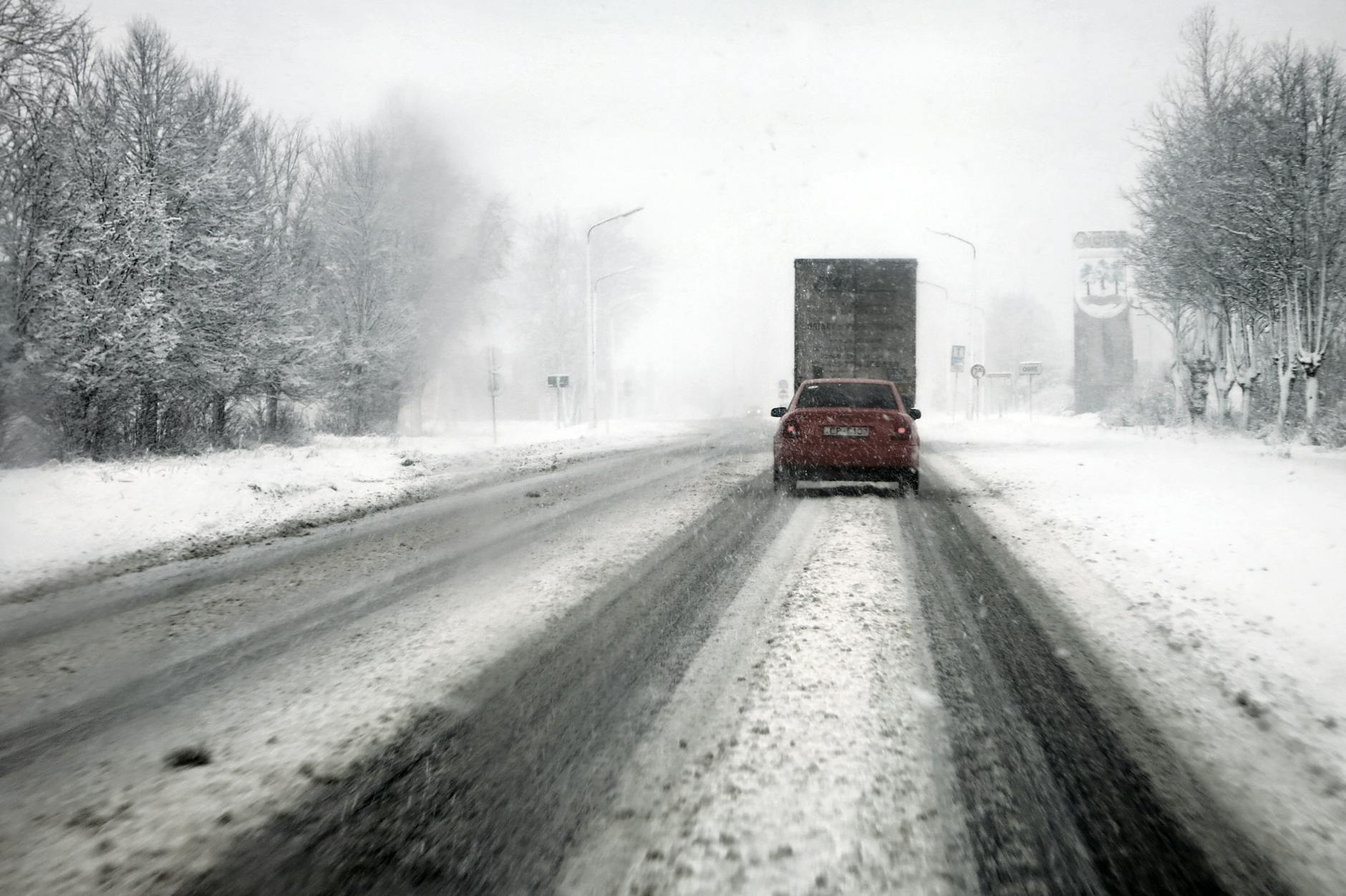
Snow and ice in the forecast could lead to power outages across central North Carolina, potentially lasting several days. Residents are advised to take precautions to stay safe, warm, and healthy if electricity is lost.
Ice buildup on power lines and tree branches may cause outages. Preparing in advance can reduce both energy costs and repair expenses. “Getting out ahead of winter could save you a lot of money on your energy bills and in the form of preventable repairs,” said Paul Hope of Consumer Reports. He cited burst pipes as an example, noting they cost little to insulate but much more to repair if they freeze.
Exposed pipes in basements, under sinks, attics, crawlspaces, and along exterior walls should be checked and insulated. Attic insulation also helps retain heat and may prevent ice dams, which can damage roofing.
Inspecting roofs for loose shingles, cleaning gutters, and trimming trees may help reduce storm-related damage. Check for leaks around windows and doors to keep warm air inside.
If the power goes out, keep refrigerators and freezers closed. A full refrigerator can keep food cold for four hours; a full freezer for about 48 hours. If units are not full, add bags of ice or bottles of water to help retain the temperature. Once food rises above 40°F for over two hours, the U.S. Department of Agriculture advises discarding perishable items.
Do not taste food to assess safety; when in doubt, throw it out. Stock up on non-perishable items like juice, granola bars, cereal, chips, and canned goods. A manual can opener is essential.
Food may be heated on an outdoor grill, but grills, camp stoves, and other fuel sources must never be used indoors due to the risk of carbon monoxide.
If using space heaters, keep them at least three feet from anything flammable. Look for models with automatic shut-offs for overheating or tipping. Always plug space heaters directly into a wall outlet—never into an extension cord or power strip.
Generators should only be used outdoors, at least 20 feet from structures, with exhaust directed away from the building. Carbon monoxide from generators can be deadly. Do not operate generators in wet conditions, and only use heavy-duty outdoor cords. Never plug a generator into a wall outlet or main electrical panel, as this can endanger utility workers and others through backfeeding.