SANTA FE, N.M. — The Trump administration on Wednesday expanded military jurisdiction along the southern U.S. border, designating a new defense zone spanning most of California’s border with Mexico.
The Department of the Interior said it would transfer control of federally managed land near the international border to the Navy to support security operations. The agency cited the “historic role public lands have played in safeguarding national sovereignty.”
The zone runs from the Arizona state line to the Otay Mountain Wilderness, crossing the Imperial Valley and communities including Tecate.
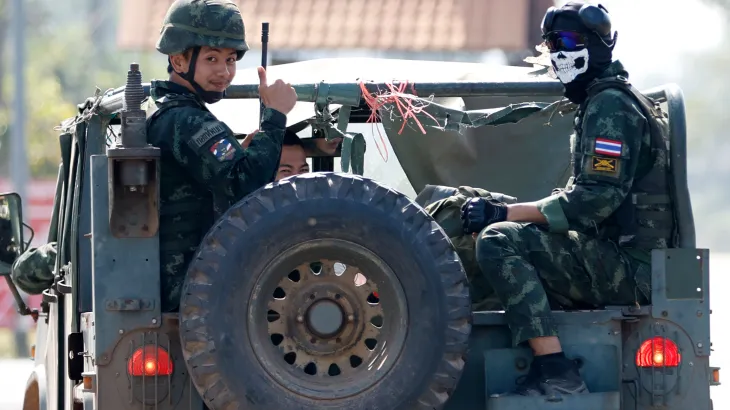
Under the designation, federal troops can detain individuals accused of trespassing on military installations, and those arrested can face additional charges under military enforcement statutes. More than 7,000 service members are currently deployed to the U.S.-Mexico border, along with helicopters, drones, and surveillance equipment.
The strategy began in April along a 170-mile stretch of the New Mexico border and later expanded into parts of Texas and Arizona.
The Interior Department said the California location is a high-traffic area for unauthorized border crossings. However, Border Patrol data shows arrests along the southern border this year have slowed to the lowest pace since the 1960s, during President Donald Trump’s push for stepped-up immigration enforcement.
“By working with the Navy to close long-standing security gaps, we are strengthening national defense, protecting our public lands from unlawful use, and advancing the President’s agenda,” Interior Secretary Doug Burgum said in a statement.
The move comes amid ongoing legal scrutiny. A federal judge on Wednesday blocked the Trump administration from continuing to deploy California National Guard troops in Los Angeles without state approval. The ruling requires those troops to return to state control.
President Trump authorized the deployment of more than 4,000 California Guard members in June over the objection of Gov. Gavin Newsom, to assist federal immigration operations.
Legal experts have questioned the expanding military role at the border, noting that U.S. law restricts military involvement in domestic law enforcement.