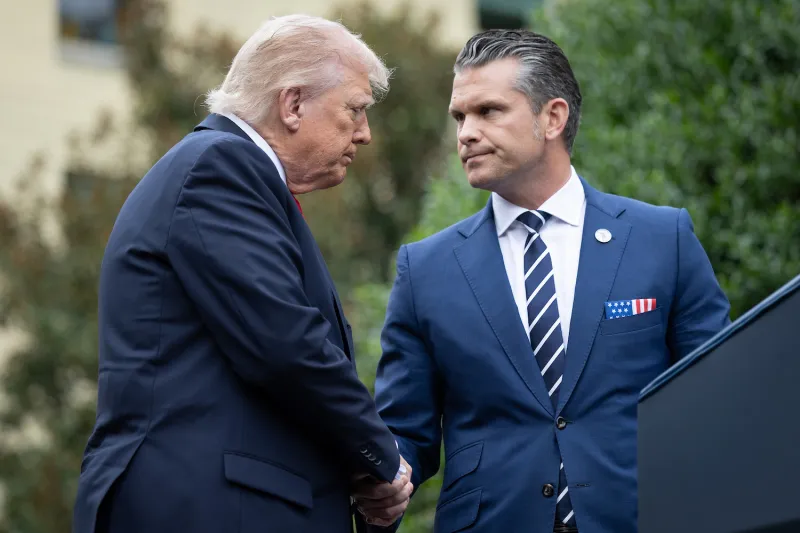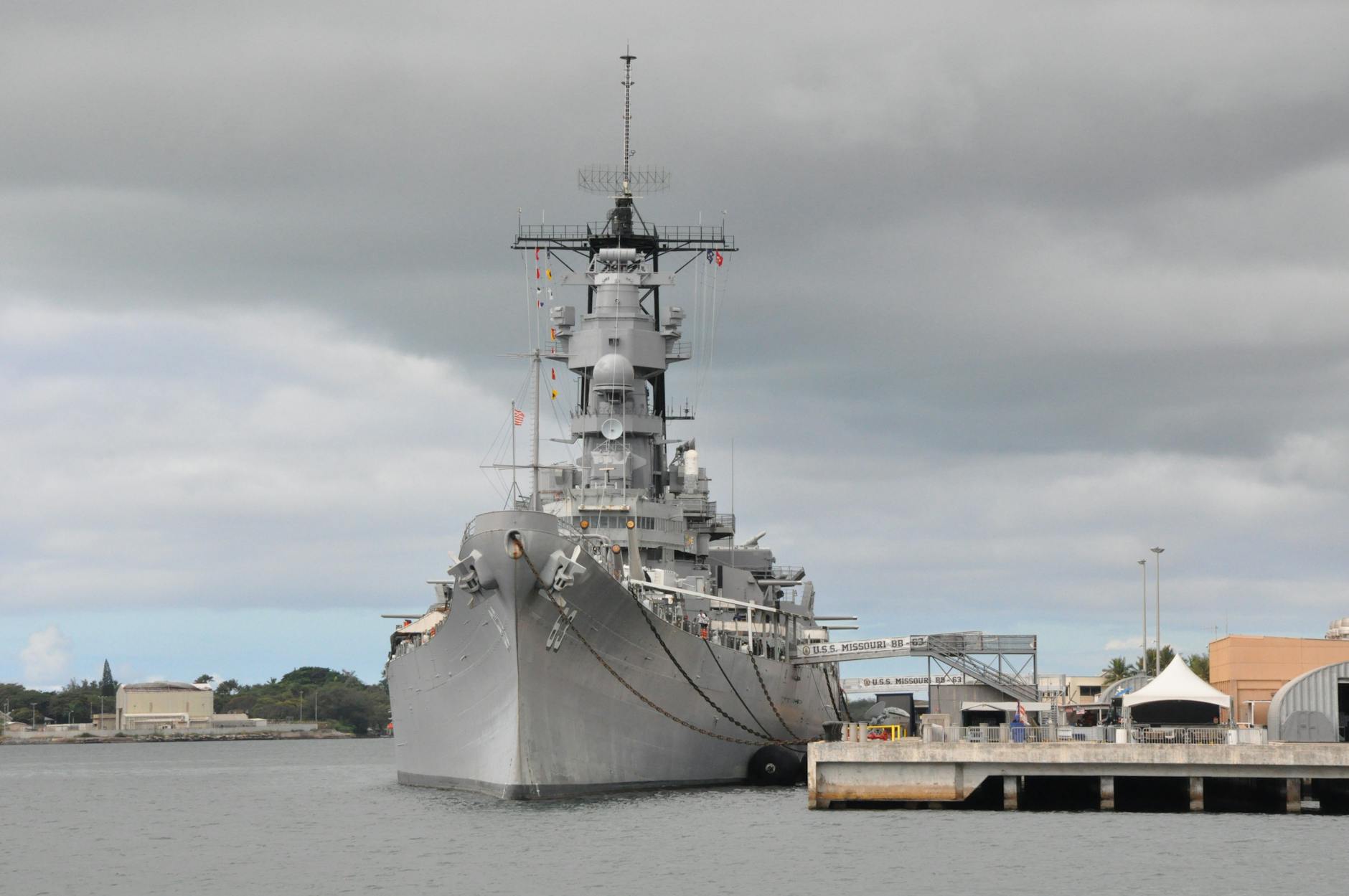
Maritime traffic through the Strait of Hormuz has significantly stalled due to ongoing conflict with Iran, prompting President Donald Trump to propose U.S. Navy escorts for commercial ships, he announced on the Truth Social platform. If implemented, this move would redirect American naval resources from other tasks and place them in a high-threat area.
President Trump also ordered political risk insurance and guarantees for maritime trade, particularly energy, traveling through the Gulf, to be offered at reasonable prices by the United States Development Finance Corporation (USDFA). This step aims to ensure energy flows uninterrupted globally.
U.S. Central Command did not comment on the matter. The Strait of Hormuz, crucial for global oil and liquid natural gas exports, sees around 3,000 ships pass monthly. Current hostilities have nearly halted this traffic due to heightened risks, and attacks on port facilities in Gulf countries intensify these threats.
Lloyd’s List reported the administration’s escort plans just after Navy officials indicated an immediate start was unlikely. Reports link past U.S. actions during the 1980s Tanker War to similar strategies, highlighting the logistics and risks involved in escort missions.
Increased Iranian attacks have targeted regional infrastructure, further straining global oil and gas markets and inviting potential external pressures for conflict resolution. Historical lessons from operations in the region suggest significant operational challenges and risks to U.S. naval forces if escorts are executed.