Dec 23, 2025
- The U.S. seized the third oil tanker it had been pursuing. (Reported)
- Venezuela’s National Assembly passed a law criminalizing support for U.S. blockades. People who help or finance the blockades could face up to 20 years in prison. (Corroborated)
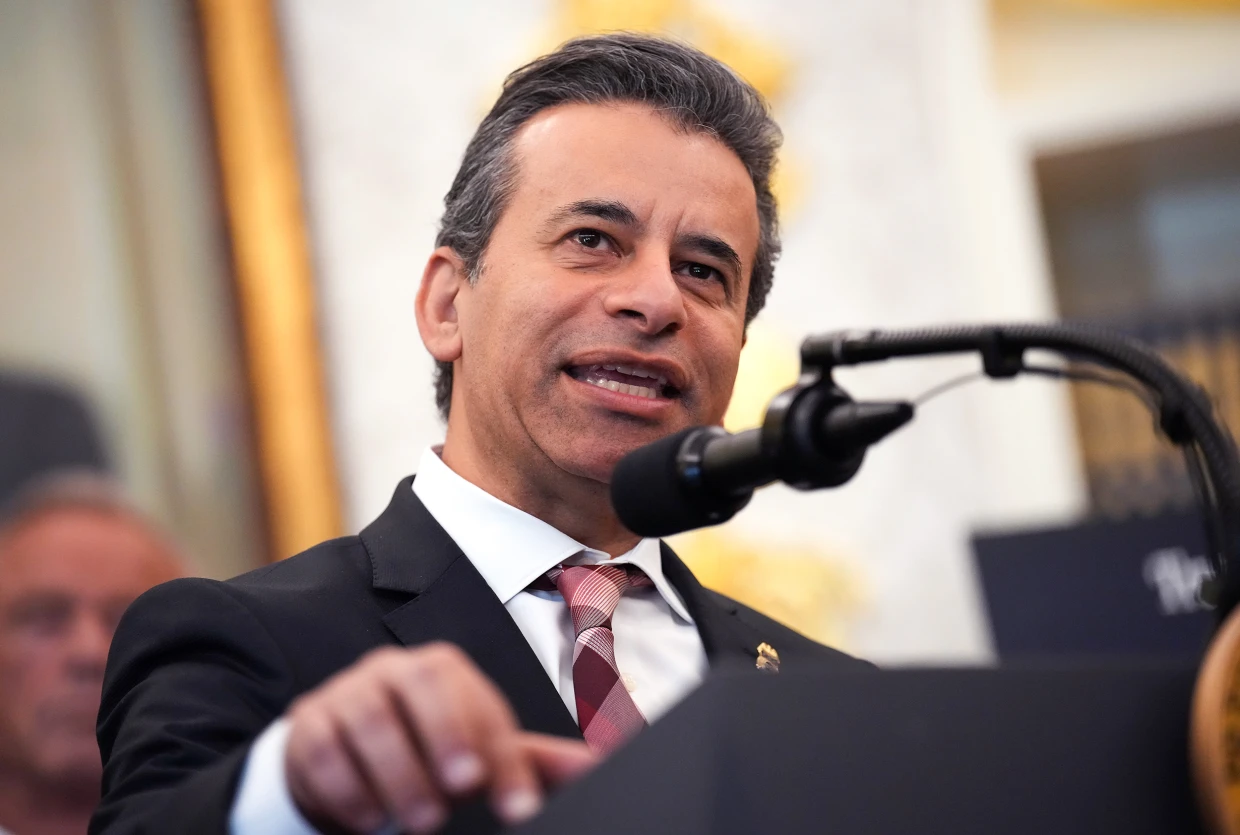
- The United Nations Security Council held a meeting on U.S. military actions against Venezuela. “The United States does not recognize Nicholas Maduro or his cronies as the legitimate government of Venezuela. Nicholas Maduro is a fugitive from American justice and the head of a foreign terrorist organization, Cartel de los Soles,” Mike Waltz, U.S. Ambassador to the U.N., remarked. “We are talking about pillaging, looting, and recolonization of Venezuela…The government of the United States does not have jurisdiction in the Caribbean,” said Samuel Moncada, the Venezuelan Ambassador to the U.N. Russian and Chinese representatives accused the U.S. of violating international law and destabilizing the region. (Confirmed)
Dec 22, 2025
- The U.S. Coast Guard was pursuing a third oil tanker off the coast of Venezuela, U.S. President Donald Trump said. Trump said the U.S. government was going to keep the oil and the ships. (Confirmed)
- The Department of War announced it conducted a strike against a boat “transiting along known narco-trafficking routes in the Eastern Pacific,” U.S. Southern Command posted on X. One person on the boat was killed. (Confirmed)
Dec 20, 2025
The U.S. apprehended an oil tanker that had recently departed from Venezuela, the US Department of Homeland Security announced on social media. (Confirmed) The U.S. seized the Panama-flagged tanker Centuries, multiple outlets reported. (Corroborated)
Dec 15-18, 2025
U.S. Southern Command said it conducted lethal strikes against six boats engaged in narco-trafficking in international waters in the Eastern Pacific Ocean. A total of eight “male narco-terrorists” were killed during strikes on Dec 15 that targeted three boats, and four people were killed during a Dec 17 strike, according to social media posts. Strikes targeting two boats killed five people on Dec 18. (Confirmed)
Dec 16, 2025
U.S. President Donald Trump designated the Venezuelan “regime” a terrorist organization and ordered a “TOTAL AND COMPLETE BLOCKADE OF ALL SANCTIONED OIL TANKERS going into, and out of, Venezuela,” Trump posted on Truth Social. (Confirmed) The Venezuelan government called the move grotesque, according to local media. (Corroborated)
Dec 11, 2025
The U.S. Department of the Treasury sanctioned three nephews of Nicolás Maduro’s wife, Cilia Flores; a Maduro-affiliated businessman; and six shipping companies operating in Venezuela’s oil sector. (Confirmed)
Dec 10, 2025
U.S. security forces, including the Coast Guard, FBI, and Department of War, seized a crude oil tanker sanctioned by the U.S. government for transporting oil from Venezuela and Iran in support of foreign terrorist organizations. (Confirmed)
Dec 4, 2025
U.S. Southern Command announced that Joint Task Force Southern Spear conducted a strike against a boat it said was operated by a “Designated Terrorist Organization” and carrying narcotics. Four people onboard were killed. (Confirmed)
Nov 16, 2025
The U.S. Department of State designated Venezuela’s Cartel de los Soles a Foreign Terrorist Organization. (Confirmed) The cartel is “headed by Nicolás Maduro and other high-ranking individuals of the illegitimate Maduro regime who have corrupted Venezuela’s military, intelligence, legislature, and judiciary,” a department press release reported.
Nov 1-10, 2025
Secretary of War Pete Hegseth said U.S. forces conducted six strikes against boats he said were carrying narcotics in international waters in the Caribbean Sea and Eastern Pacific Ocean. Three people onboard were killed in a strike on Nov 1, two were killed in a Nov 4 strike, three were killed in a Nov 6 strike, six were killed in two strikes on Nov 9, and four were killed during strikes on Nov 10. (Confirmed)
Oct 21-27, 2025
The U.S. military carried out six strikes against seven boats operated by “Designated Terrorist Organizations,” Secretary of War Pete Hegseth announced on social media. The strikes occurred in the Caribbean Sea and the Eastern Pacific Ocean. Two people were killed in the first strike on Oct 21, three were killed in the strike on Oct 22, and six were killed in the third strike on Oct 24. Fourteen males were killed during three Oct 27 strikes; one person survived. Mexican authorities coordinated rescue efforts, according to Hegseth. (Confirmed)
Oct 18, 2025
The U.S. Department of War announced it conducted a strike against a submarine carrying Fentanyl and other narcotics. Two people were killed in the strikes, and two survivors were returned to their countries of origin, Ecuador and Colombia. (Confirmed)
Oct 14, 2025
The U.S military conducted a strike against a boat it said was trafficking narcotics. The boat was off the coast of Venezuela, Trump said on social media. Six people onboard were killed. (Confirmed)
Sept or Oct 2025 (Date Disputed)
The Senate of Colombia declared Venezuela’s Cartel de los Soles a transnational criminal and terrorist organization. Local media reported that this occurred in September 2025. In remarks to the press, U.S Secretary of State Marco Rubio claimed this occurred in October 2025. (Designation Confirmed, Date Disputed)
Sept 19, 2025
The US military announced it conducted a strike against a boat trafficking illicit narcotics. Three people onboard were killed. (Confirmed)
Sept 15, 2025
The U.S. military conducted a strike against a boat it said was transporting narcotics and headed towards the U.S., the Department of War announced on social media. The department reported that three people on the boat were killed. (Confirmed)
Sept 4, 2025
The Department of War reported that two Venezuelan aircraft flew near a U.S. Navy vessel. “This highly provocative move was designed to interfere with our counter-narco-terror operations,” the department said on social media. (Confirmed)
Sept 2, 2025
The U.S. military struck a small vessel it said was operated by “positively identified Tren de Aragua Narcoterrorists” and was carrying narcotics. Eleven people were killed. (Confirmed)
March 24, 2025
U.S. President Donald Trump signed an Executive Order imposing 25% tariffs on all goods from countries that import Venezuelan oil directly or indirectly. (Confirmed)
March 15, 2025
U.S. President Donald Trump invoked the Alien Enemies Act of 1798, a rarely used law that allows the president to detain and deport nationals of enemy nations, to target individuals in the U.S. linked to the Venezuelan cartel Tren de Aragua. (Confirmed)
Jan 20, 2025
U.S. President Donald Trump designated Venezuela-based Tren de Aragua and other cartels and transnational criminal organizations as Foreign Terrorist Organizations. (Confirmed)
Tracking what's changed in the world.

Tracking US Actions Against Venezuela: Sanctions, Blockades, Military Strikes

Current understanding
Relations between the United States and Venezuela are tense and have become more confrontational in recent months. The U.S. government does not recognize Venezuelan President Nicolás Maduro as the country’s legitimate leader and has long accused his government of corruption, human rights abuses, and ties to drug trafficking. Trump has publicly called for Maduro to step down as president.
The Trump administration has intensified U.S. pressure on Maduro through sanctions, tariffs, military operations, and, most recently, a blockade of oil imports and exports. U.S. authorities have seized two oil tankers off the coast of Venezuela. The U.S. military continues to carry out strikes against boats the U.S. government says are involved in narcotrafficking.
In March, the administration invoked the Alien Enemies Act to expedite the deportation of Venezuelan gang Tren de Aragua members. The Alien Enemies Act is an 18th-century law that allows the president to detain and deport individuals in the U.S. alleged to be members of an enemy nation. Officials say hundreds of suspected gang members have been arrested and deported, including transfers to El Salvador’s Terrorism Confinement Center. Civil liberties groups and legal experts have questioned the legality of using the law in this context.
At present, there are no public signs of negotiations between the U.S. and Venezuela.
What’s changed
In late November, Trump and Venezuelan President Maduro reportedly held a “respectful and cordial” phone call. (Reported) According to unnamed sources, Maduro outlined his proposal for a negotiated exit from office. He insisted that sanctions against himself and more than 100 officials be lifted and an International Criminal Court investigation into alleged involvement in crimes against humanity be terminated, among other requests. Trump reportedly rejected most of these demands and told Maduro that he and his family had one week to leave Venezuela for a country of their choosing.
On Dec. 22, 2025, Trump publicly called for Maduro to step down. (Confirmed)
Earlier in the month, the Trump administration ordered a blockade of sanctioned oil tankers entering or leaving Venezuelan ports. (Confirmed) The Coast Guard and U.S. military forces have already seized two oil tankers that Kevin Hassett, White House’s National Economic Council director, told reporters were operating on the black market and providing oil to countries under sanctions.
Trump said on Dec 22 that the Coast Guard was pursuing a third oil tanker. (Confirmed) At least one media outlet reported that the tanker was seized on Dec 23. (Reported)
The U.S. now controls about 3.7 million barrels of Venezuelan crude. President Donald Trump said on Dec 22 that he plans to keep the ships and the oil.
The Venezuelan government claimed the U.S. is trying to overthrow the Maduro regime and has condemned the US’s vessel as acts of “international piracy.” On Dec. 23, Venezuela’s National Assembly passed a law criminalizing support for U.S. blockades. (Corroborated)
What we don’t know yet
There are no public signs of active negotiations between the U.S. and Venezuelan governments. It is unknown if back-channel talks are ongoing or whether the current trajectory points toward prolonged confrontation.
While Venezuela has condemned U.S. actions, it is unclear how the current regime or its allies might respond.
It is also unclear how courts will ultimately rule on the scope and limits of the Alien Enemies Act, or whether the Supreme Court will address the law’s use outside a formally declared war. The Supreme Court has not issued a final decision on whether the Alien Enemies Act may lawfully be used against a non-state actor like Tren de Aragua or without a formal declaration of war.
How this fits into the broader story
On January 20, 2025, the day he took office for his second term, U.S. President Donald Trump signed an Executive Order designating the Venezuela-based Tren de Aragua and other transnational criminal organizations and cartels as Foreign Terrorist Organizations.
“The Cartels have engaged in a campaign of violence and terror throughout the Western Hemisphere that has not only destabilized countries with significant importance for our national interests but also flooded the United States with deadly drugs, violent criminals, and vicious gangs,” the order said.
On March 14, Trump invoked the 1798 Alien Enemies Act, which allows the president to detain and deport citizens of enemy nations. This act was previously invoked during the War of 1812, World War I, and World War II.
“TdA [Tren de Aragua] operates in conjunction with Cártel de los Soles, the Nicolas Maduro regime-sponsored, narco-terrorism enterprise based in Venezuela, and commits brutal crimes, including murders, kidnappings, extortions, and human, drug, and weapons trafficking,” Trump wrote in the proclamation.
“I proclaim that all Venezuelan citizens 14 years of age or older who are members of TdA, are within the United States, and are not actually naturalized or lawful permanent residents of the United States are liable to be apprehended, restrained, secured, and removed as Alien Enemies.”
In April, the U.S. Supreme Court temporarily blocked the deportation of a group of Venezuelans held in northern Texas, ruling that the administration needed to wait for a U.S. Appeals Court to make its final ruling in the case. In September, that court ruled the Alien Enemies Act could not be invoked to speed the deportations of alleged Tren de Aragua gang members. The majority opinion said Trump’s allegations about Tren de Aragua did not meet the historical levels of national conflict that Congress intended for the act.
Nicolas Maduro has served as president of Venezuela since 2013, winning elections that many have called contentious, rigged, and fraudulent. The U.S. and many European nations have not formally recognized the legitimacy of these elections. The U.S. government has called Maduro’s regime repressive, corrupt, and illegitimate.
Following the invocation of this act, the Department of Justice began extraditing Tren de Aragua members, and the Department of Homeland Security began conducting a series of operations, described as successful, targeting alleged Tren de Aragua gang members.
Later in March, Trump signed another Executive Order imposing 25% tariffs on all goods from countries that import Venezuelan oil directly or indirectly. Venezuela is home to the world’s largest known oil reserve. The country’s economy is heavily dependent on oil sales to fund its government and basic services. China buys about 80% of Venezuela’s oil exports.
In September 2025, the U.S. Department of War conducted its first of at least 21 strike operations targeting boats in the Eastern Pacific Ocean and the Caribbean Sea that the department said were involved in narco-trafficking. Many of the boats were operated by “positively identified Tren de Aragua Narcoterrorists,” several Department of War announcements stated. At least 83 people have been killed. The legality of these strikes is a subject of intense debate among legal experts.
Perspectives & reactions
- Russia’s Minister of Foreign Affairs Sergei Lavrov expressed “deep concern” over the US’s Caribbean operations in a telephone conversation with Venezuelan counterpart Yvan Gil on Dec 22, warning of potential consequences for regional stability and international shipping. Moscow “reaffirmed its full support for and solidarity with the Venezuelan leadership and people in the current context” in a foreign ministry statement.
- Lin Jian, a spokesperson for the Chinese Foreign Ministry, said Beijing “opposes any actions that violate the purposes and principles of the United Nations Charter and infringe upon the sovereignty and security of other countries…China understands and supports Venezuela’s stance in safeguarding its legitimate rights and interests,” he added.
- Several human rights experts condemned the U.S. blockade and aggression against Venezuela. “It is such a serious use of force that it is also expressly recognized as illegal armed aggression under the [United Nations] General Assembly’s 1974 Definition of Aggression,” the experts said.
Sources
Dec 10, 2025: U.S. Department of Treasury Press Release on Sanctions
Nov 16, 2025: U.S. State Department Press Release on Cartel de los Soles
Oct 25, 2025: Rubio remarks to press on Colombia’s terrorist designation for Cartel de los Soles
March 24, 2025: Executive order imposing tariffs on countries that import Venezuelan oil
March 15, 2025: Invocation of Alien Enemies Act
January 20, 2025: Order designating cartels as Foreign Terrorist Organizations