Ethiopian Airlines canceled flights to and from the northern Tigray region for a second consecutive day Friday, as concern grows over a potential resurgence of fighting between federal forces and regional troops.
Customers were informed of the cancellation due to “unplanned circumstances.” The airline and Ethiopian authorities did not issue public statements.
An Ethiopian security official, speaking on condition of anonymity, told The Associated Press that the flight suspensions are linked to new military activity involving federal troops and Tigray regional forces. The official reported drone activity and troop movements in western and southern Tigray.
Ground travel out of Tigray has increased. In Mekele, Tigray’s capital, Solomon Tadesse said he attempted to secure a bus ticket to Addis Ababa early Friday but found service fully booked until Tuesday. “I don’t want to face the hardships I went through in [the] past war,” he said.
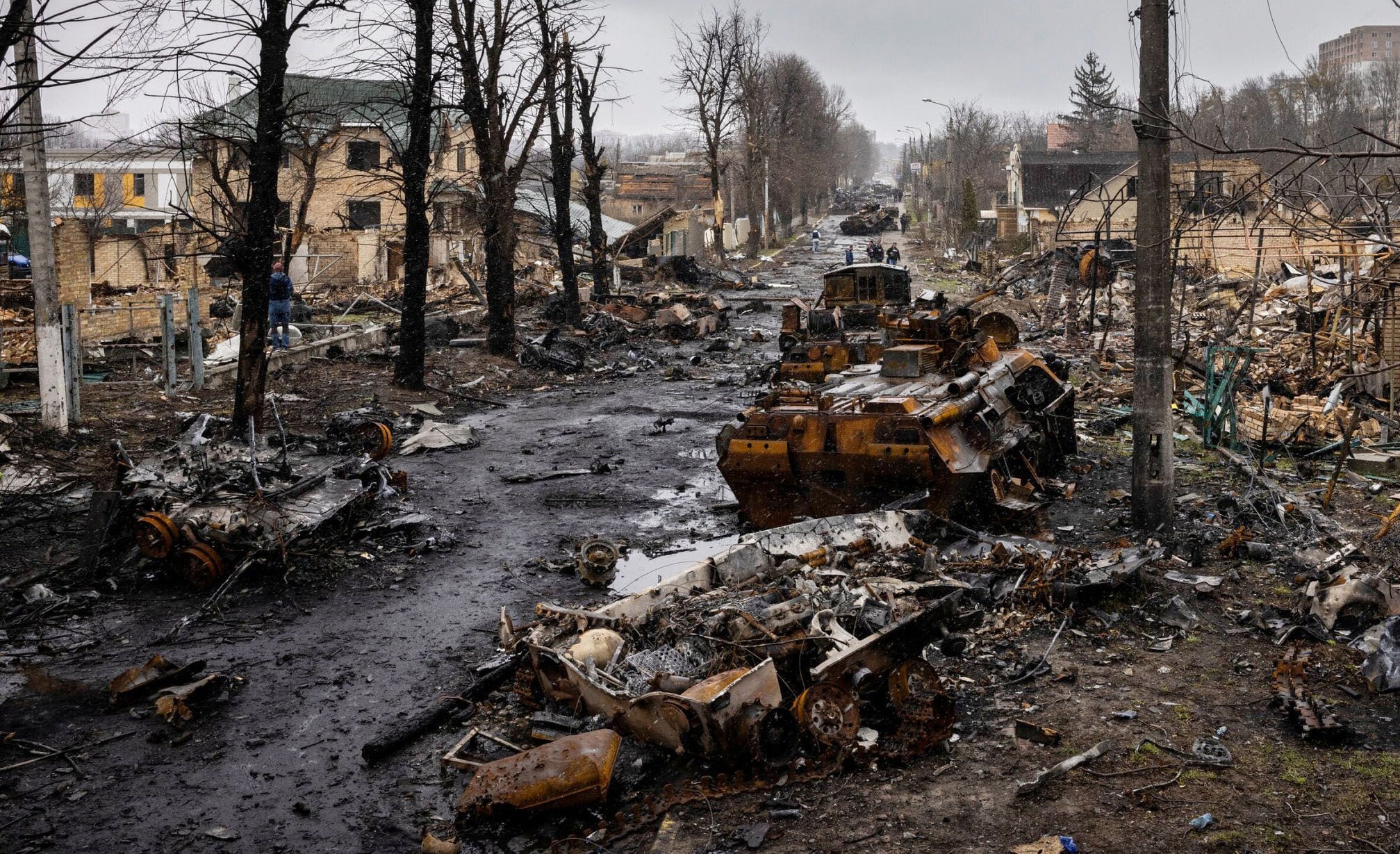
Tensions have escalated nearly three years after Ethiopia’s federal government reached a 2022 peace agreement with Tigray’s leaders, ending a two-year war that killed hundreds of thousands.
Tigray authorities have accused the federal government of violating the peace deal following a 2023 drone strike. In turn, the Ethiopian government has accused neighboring Eritrea of supporting armed groups in Tigray.
In Mekele, residents waited in long lines Thursday and Friday to withdraw cash or buy supplies. “I have been waiting the whole day to withdraw cash from the bank, but halfway I was told the bank has run out of banknotes,” said Bereket Ghessese.
In Adigrat, a town in Tigray, Genet Berhane said she had been waiting since 5:30 a.m. to withdraw money. “The ATMs have run out of cash,” she said by phone.
Some residents in Addis Ababa also expressed concern. “This time Ethiopia deserves peace,” said Gizachew Belay. “No one will benefit from war.”
Prime Minister Abiy Ahmed has taken a more assertive tone in recent months as Ethiopia, a landlocked country, seeks access to a Red Sea port through Eritrea. Ethiopia lost direct sea access when Eritrea became independent in 1993. In September, Abiy described that loss as a “mistake” that “will be corrected.”
Most of Ethiopia’s imports and exports now transit through Djibouti, resulting in high fees.
Abiy initially forged peace with Eritrea in 2018 and received a Nobel Peace Prize. He later aligned with Eritrea in the war against the Tigray People’s Liberation Front (TPLF), which governs the region.
Analysts suggest Eritrea could now align with the TPLF against federal forces. In May, Ethiopian electoral authorities deregistered the TPLF, saying it failed to hold a required assembly. The party described the move as breaching the peace agreement.
In June, Eritrea accused Ethiopia of planning to seize its Red Sea ports, while Ethiopia claimed Eritrea was preparing for armed conflict.
“A political and security alliance between the TPLF and President Isaias Afwerki of Eritrea apparently is in the making,” said Kjetil Tronvoll, professor of peace and conflict studies at the University of Oslo. He said any renewed conflict could differ significantly from the 2020–2022 war, with Tigray potentially gaining logistical support from Eritrea.