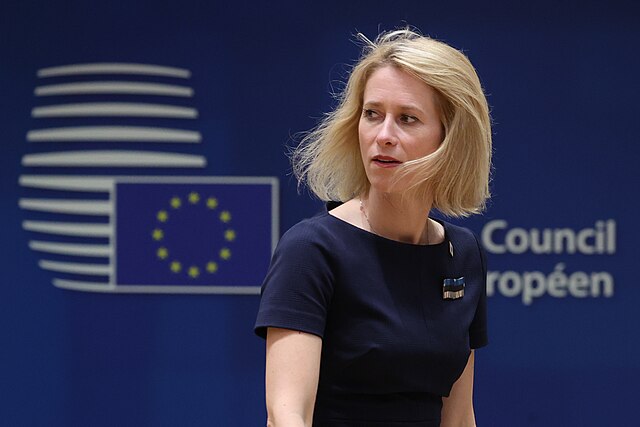
European Union diplomats worked Monday to address Hungary’s veto of new sanctions on Russia and a significant loan for Ukraine. EU foreign policy chief Kaja Kallas indicated that the bloc’s 27 foreign ministers were unlikely to approve the 20th sanctions package against Russia, which coincides with the anniversary of the Ukraine invasion that has severely affected millions. The meeting followed Hungary’s threat to block the EU sanctions and a €90 billion loan for Ukraine unless Russian oil deliveries to Hungary were restored.
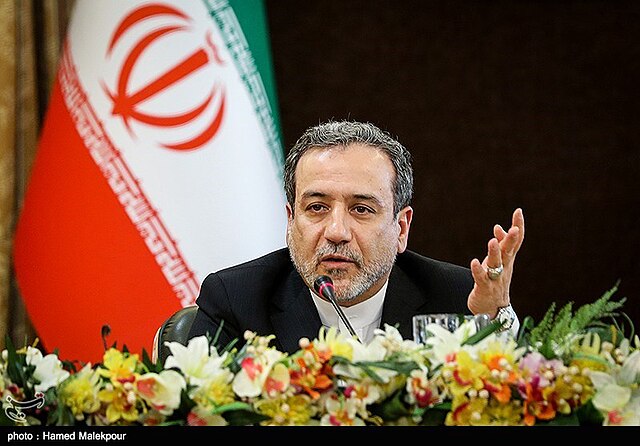
Oil supplies to Hungary and Slovakia have been disrupted since Jan. 27 due to alleged Russian drone attacks on the Druzhba pipeline. Hungarian Foreign Minister Péter Szijjártó emphasized Hungary’s energy security. Prime Minister Viktor Orbán accused Ukraine of delaying oil shipments for political reasons, in what he termed a “Ukrainian oil blockade.”
A unanimous decision among the 27-nation bloc is essential for the sanctions to proceed. French Foreign Minister Jean-Noël Barrot expressed confidence in the eventual adoption of the sanctions package, urging member states to uphold commitments. Polish Foreign Minister Radosław Sikorski suggested Hungary’s moves might be electoral tactics ahead of a challenging vote for Orbán, who has been in power since 2010. He critiqued Hungary’s stance toward Ukraine.
Hungary and Slovakia, both EU and NATO members, maintain Russian energy imports, despite a general European reduction. German Foreign Minister Johann Wadephul called Hungary’s position surprising and emphasized continued support for Ukraine against Russia. German efforts will persist in persuading Hungary.
A pivotal €90-billion EU loan to Ukraine remains stuck, intended for Kyiv’s military and economic needs. Balazs Ujvari, a European Commission spokesperson, and Estonian Foreign Minister Margus Tsahkna urged member states to finalize the loan. Sweden’s Foreign Minister Maria Stenergard highlighted the importance of resolving the issue for Ukraine.