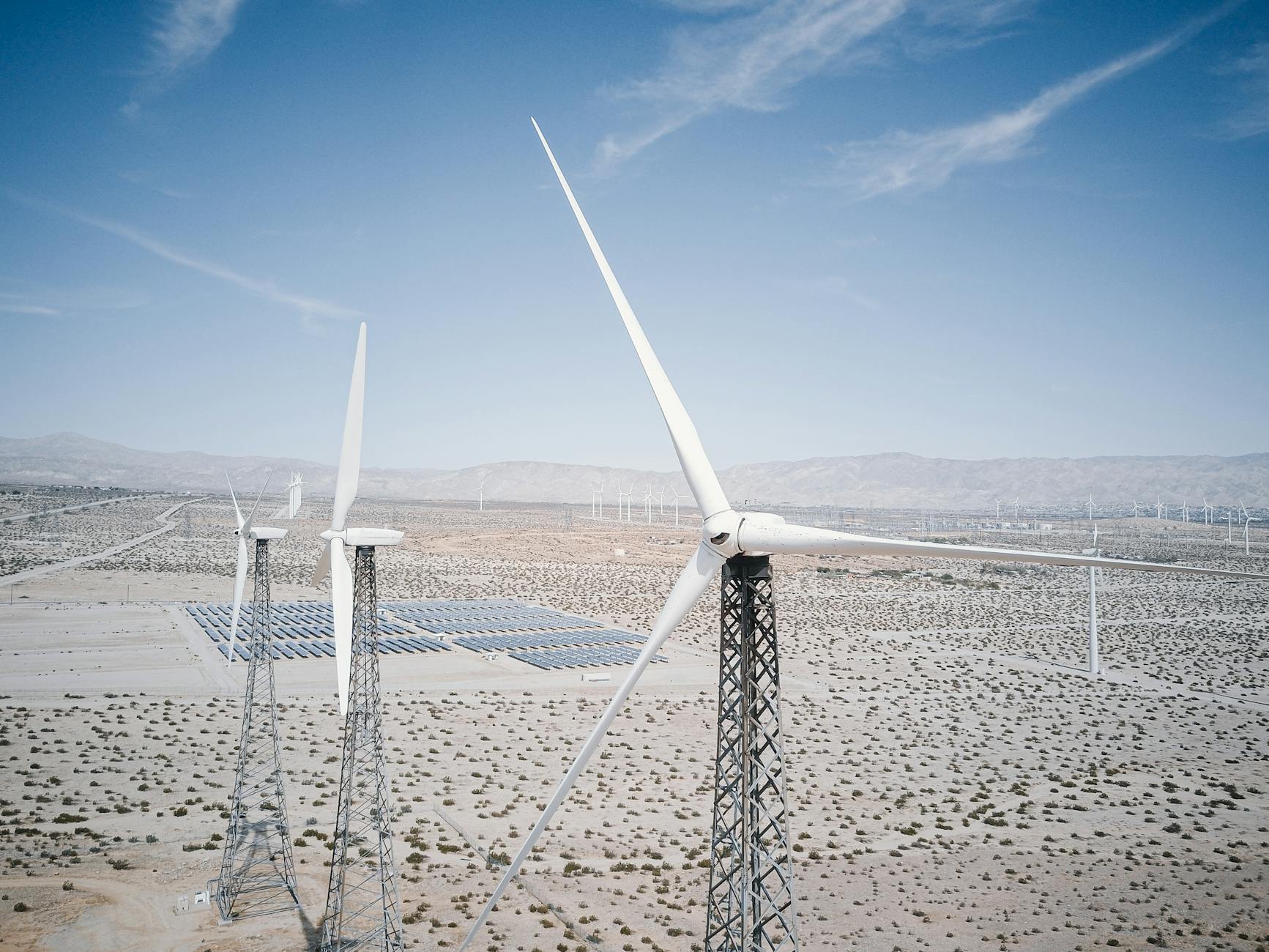
Google will establish its first data center in Minnesota, utilizing 1.9 gigawatts of clean energy from wind, solar, and a 300-megawatt battery developed by Form Energy. Located in Pine Island, southeast of Minneapolis, the data center will draw power from 1.4 gigawatts of wind and 200 megawatts of solar energy in collaboration with Xcel Energy.
Form Energy’s battery, which can deliver 30 gigawatt-hours over 100 hours, will be the largest of its kind globally, aiding in operating the data center predominantly on renewable energy. These long-duration batteries enhance renewable energy reliability by providing power during non-peak periods, a process known as “firming.”
Unlike conventional grid-scale lithium-ion batteries, Form’s design uses iron-air technology, which rusts and deoxidizes iron pebbles to store and release energy. Although less efficient than lithium-ion batteries, yielding just 50% to 70% of the energy charged, Form’s technology is cost-effective, with storage costs around $20 per kilowatt-hour.
The initiative introduces a unique utility fee model in Minnesota, helping utilities adopt clean technology while adhering to cost-effective energy requirements. Google employed a similar strategy in Nevada, using a clean transition tariff or clean energy accelerator charge to manage project risk, with the tech company covering additional costs to prevent impacting regular ratepayers.
While solar and wind power are established, Form’s batteries remain relatively novel. The startup is currently installing its first battery, with 150 megawatt-hours capacity, in Minnesota with Great River Energy, delivering up to 1.5 megawatts to the grid. Form Energy manufactures its products in West Virginia and has raised $1.4 billion, according to PitchBook.