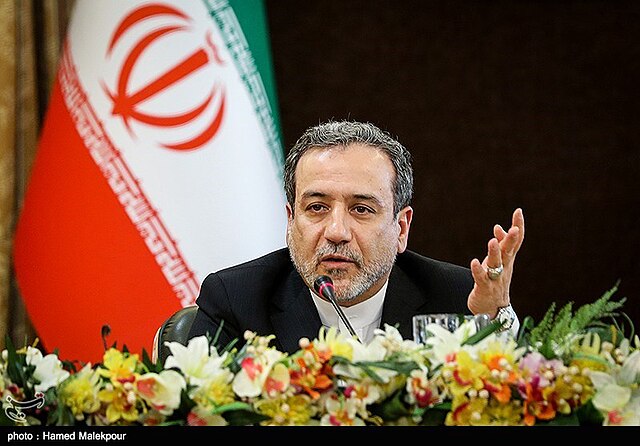
Iran faces pressure from domestic protests and U.S. military threats, with hopes for diplomacy as nuclear program talks with U.S. negotiators are set to resume Thursday in Geneva. Iran’s Foreign Minister Abbas Araghchi indicated a potential deal is being crafted ahead of the talks, while U.S. envoy Steve Witkoff remains skeptical about Tehran’s willingness to comply. Badr Albusaidi, Oman’s foreign minister, expressed optimism for progress in Geneva.
Tensions have escalated since widespread protests in Iran led to a significant crackdown. Competing demonstrations occurred in Tehran, with critics of Iran’s leadership facing risks of arrest. Araghchi emphasized Iran’s right to self-defense if attacked and expressed optimism for a diplomatic resolution.
Iran has proposed a draft agreement to prevent military escalation, with hopes for a rapid negotiation during the upcoming Geneva meeting. An unnamed senior U.S. official stated that if Iran submits its proposal soon, detailed negotiations could follow.
The U.S. has increased its military presence in the Middle East, deploying two aircraft carriers and reinforcing air defenses. President Donald Trump’s adviser Steve Witkoff questioned Iran’s reluctance to cease its nuclear ambitions during a Fox News interview.
Concerns over Iran’s nuclear program, suspected by Western countries to be aimed at developing nuclear weapons, continue, though Iran maintains its program is for civilian use. Previous diplomatic efforts were halted by conflict with Israel in June, resulting in U.S. military involvement. Many Iranians are increasingly worried about the prospect of war.
The economic impact of international sanctions has fueled public dissatisfaction in Iran, leading to protests over living costs. The recent student demonstrations in Tehran saw varying political sentiments, with echoes of past political turmoil.
Calls for international evacuation from Iran have increased, with countries like Sweden, Serbia, Poland, and Australia advising their citizens to leave.