Myanmar has become the world’s largest producer of illicit opium following a continued drop in cultivation in Afghanistan, according to a new report from the United Nations Office on Drugs and Crime (UNODC) released Wednesday, December 3.
The UNODC’s annual Myanmar opium survey found that opium poppy cultivation increased by 17% between 2024 and 2025. The total land under cultivation rose from 45,200 hectares (111,700 acres) to 53,100 hectares (131,200 acres), the highest level in a decade.
“This major expansion in cultivation shows the extent to which the opium economy has re-established itself over the past years – and points to potential further growth in the future,” said Delphine Schantz, UNODC’s representative for Southeast Asia and the Pacific, during a press conference.
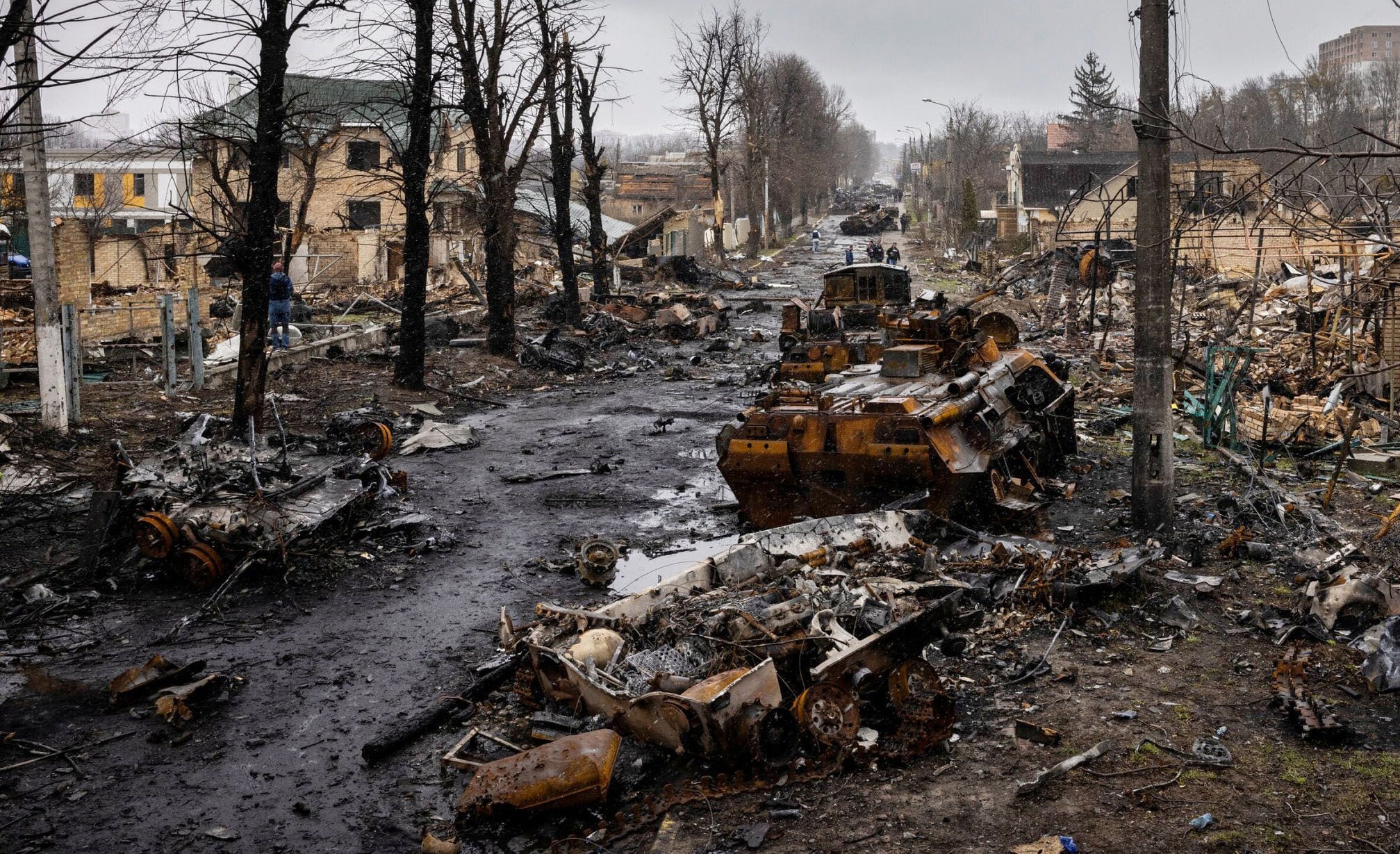
The agency attributed the surge in cultivation to several factors, including intensifying armed conflict within Myanmar, economic hardship, and rising prices for opium. Opium prices in Myanmar have more than doubled since 2019, rising from $145 per kilogram to $329 per kilogram in 2025, creating a significant financial incentive for farmers.
Despite the increase in land under cultivation, opium production per hectare has not increased proportionally. The report said, “intensifying conflict and insecurity” have made it harder for farmers to manage their crops and produce high yields.
The report also highlighted signs of heroin produced in Myanmar entering international markets that were previously supplied by Afghanistan. Seizure data from the European Union’s Drugs Agency (EUDA) indicated that 60 kg (132 lbs) of heroin believed to originate from Myanmar was found with airline passengers traveling to the EU from Thailand in 2024 and early 2025.
Schantz warned the trend will likely have long-term consequences for the region and beyond. “The increase we have seen in the past year will have significant implications for Myanmar’s future,” she said. “What happens in the country will shape drug markets in the region and far beyond, and requires urgent action.”