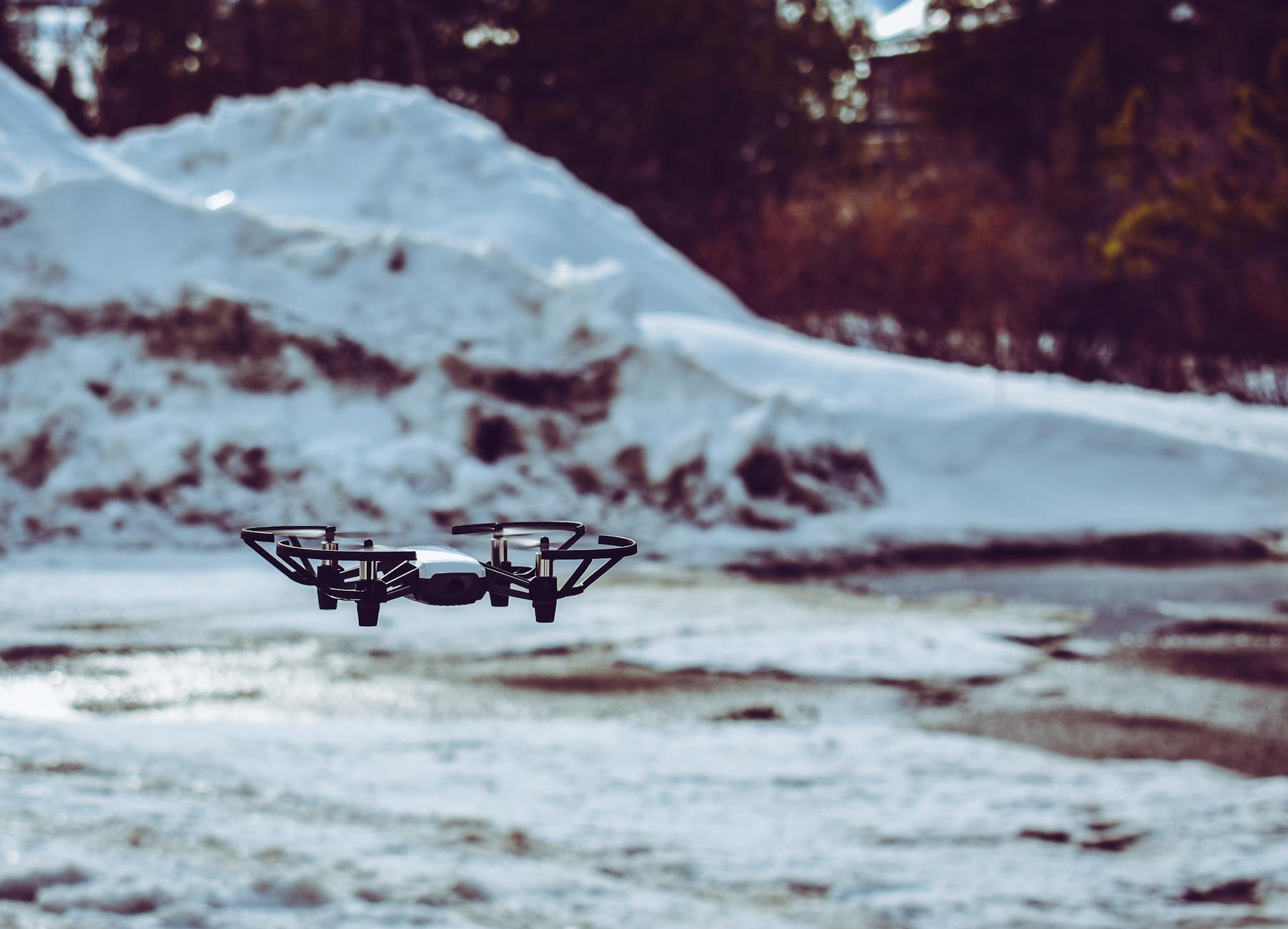
The Pentagon on Tuesday named 25 small drone and technology companies selected to compete for contracts to rapidly deploy low-cost, one-way attack drones for the U.S. military.
Companies including Kratos SRE Inc., a subsidiary of Kratos Defense, and Halo Aeronautics were among the participants announced for the first phase of the Defense Department’s Drone Dominance Program.
“Drone dominance is a process race as much as a technological race,” said Defense Secretary Pete Hegseth in a July 2025 memo cited by the department. “We are buying what works — fast, at scale, and without bureaucratic delay. Lethality will not be hindered by self-imposed restrictions.”
The program follows a June 2025 executive order from President Donald Trump aimed at expanding the military and commercial use of affordable, domestically produced combat drones.
The program’s initial phase, called Gauntlet I, will begin Feb. 18 at Fort Benning, Georgia, and conclude in early March. Military personnel will evaluate each system, with the department expected to place approximately $150 million in prototype orders.
Those prototype deliveries are scheduled over the subsequent five months. According to a December announcement, 12 companies will be selected from the initial group to produce 30,000 drones at a target cost of $5,000 each.
Unveiled in December with a request for information, the Drone Dominance Program aims to acquire hundreds of thousands of one-way attack drones by 2027.
The program reflects lessons observed from Ukraine’s use of similar drones during its conflict with Russia over the past four years, which highlighted the effectiveness of low-cost systems in modern warfare.
In December, Hegseth said the military needs more affordable alternatives to expensive munitions for countering low-cost drones and other threats.
Over four phases, the Pentagon plans to spend $1.1 billion on the project, with service members actively evaluating performance during development cycles.
The department plans recurring bulk purchases to support industry investments in production capacity.
By the final phase, the number of vendors will be reduced to five, drone orders will increase to 150,000 units, and the unit price is expected to drop to $2,300. Procurement and upgrade timelines are expected to be measured in months, not years.
The 25 participating companies in Gauntlet I were not publicly listed in the announcement.